
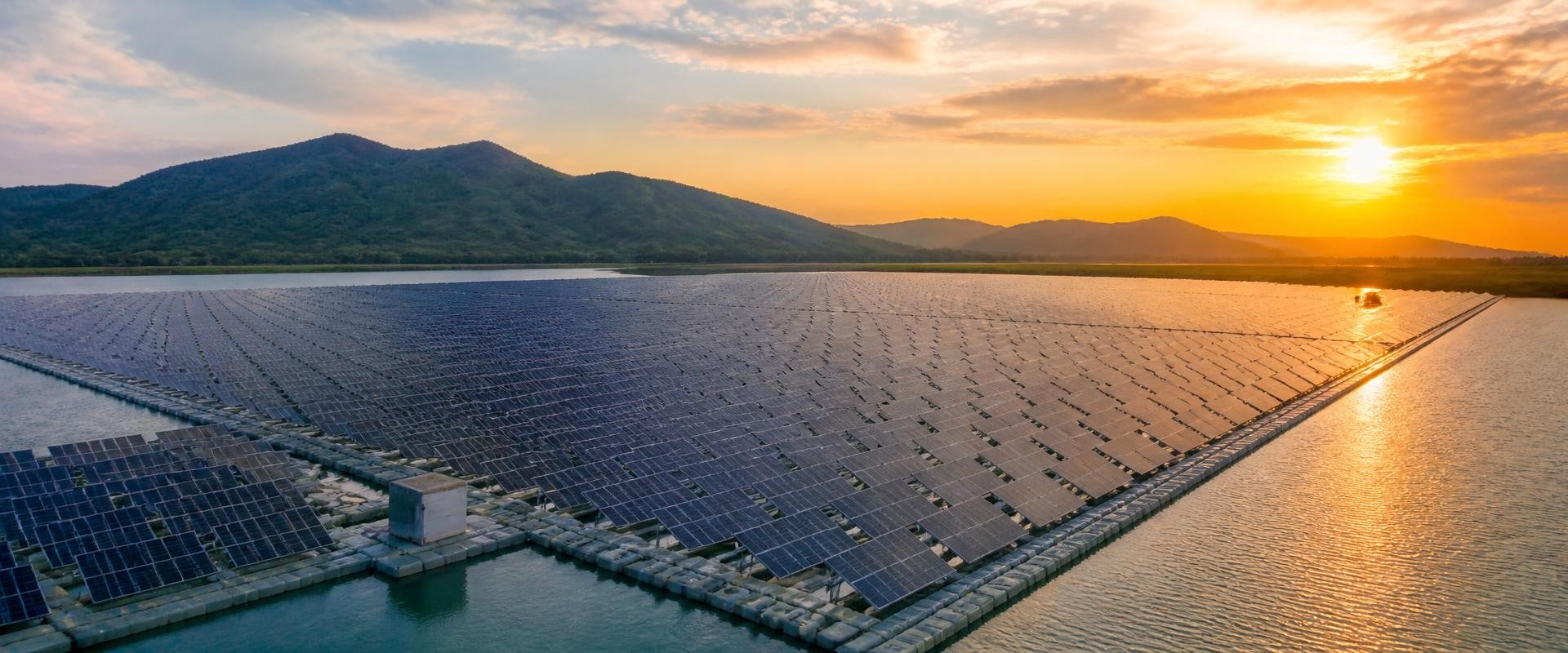
As the world grapples with the pressing challenges of climate change and energy sustainability, innovative solar projects globally are emerging as beacons of hope, transforming energy landscapes and paving the way for a greener future. From sprawling solar farms in the deserts of the Middle East to cutting-edge rooftop installations in urban centers, these projects showcase the incredible potential of solar energy to reshape our power systems. In recent years, advancements in technology and decreasing costs have propelled solar energy into the spotlight, attracting investments and interest from governments, corporations, and communities alike. This article delves into some of the most exciting and transformative solar initiatives around the world, highlighting how they not only generate clean energy but also drive economic growth, create jobs, and foster energy independence. Join us as we explore these remarkable ventures that are not only revolutionizing the way we harness sunlight but also inspiring a global movement towards sustainable energy solutions. Prepare to be inspired by stories of innovation, resilience, and the relentless pursuit of a brighter, more sustainable future. The global landscape of solar energy is undergoing a transformative phase, with numerous innovative solar projects emerging as beacons of hope in the fight against climate change.
These advancements not only showcase the potential of renewable energy but also highlight the significant strides made in technology and project implementation across various regions. As we delve into these innovative projects, it becomes evident that their impact extends far beyond just energy production; they are pivotal in promoting sustainability and accessibility. One of the standout examples in the realm of large-scale solar initiatives is the Noor Solar Plant in Morocco. This ambitious project, one of the largest solar power plants in the world, utilizes concentrated solar power (CSP) technology to generate electricity for over a million homes. The plant's innovative design harnesses solar energy during the day and stores it for use at night, effectively addressing one of the major challenges of solar energy—intermittency.
The success of Noor has established Morocco as a leader in renewable energy, inspiring similar projects in other countries. Community solar initiatives are also gaining momentum globally, allowing individuals who may not have suitable rooftops for solar panels to participate in renewable energy generation. These projects enable communities to invest in shared solar installations, providing clean energy while reducing costs. For instance, a community solar farm in Minnesota has allowed hundreds of households to access solar power without the need for individual installations. This model not only democratizes access to renewable energy but also fosters community engagement and investment in sustainable practices. Innovative applications of solar technology extend to transportation as well.
Companies like Tesla are pioneering solar-powered transportation solutions with products such as Tesla's solar roof tiles. These tiles integrate seamlessly into residential roofs while generating clean electricity that can power electric vehicles and homes alike. This dual functionality exemplifies how innovative designs can enhance efficiency, making solar energy more accessible and appealing to consumers. The integration of building-integrated photovoltaics (BIPV) represents another frontier in solar innovation. By embedding solar cells into building materials such as windows and facades, BIPV systems optimize space usage while contributing to energy generation.
Projects around the world are showcasing this technology, with some urban buildings producing more energy than they consume, thus setting a precedent for sustainable architecture. Financial incentives play a crucial role in encouraging both individuals and businesses to adopt solar energy solutions. In the United States, programs such as the Investment Tax Credit (ITC) offer significant tax breaks for those who invest in solar installations. Similar incentives exist in other countries, including grants and rebates that alleviate upfront costs associated with solar adoption. Understanding these financial mechanisms can help prospective solar users capitalize on available support, making renewable energy more attainable. Furthermore, government programs worldwide are increasingly supporting renewable energy adoption through funding and policy initiatives.
Recent updates indicate growing federal support for solar projects, reflecting a commitment to expanding clean energy infrastructure. New proposals aim to enhance funding for innovative projects while streamlining processes for securing permits and approvals, thus facilitating faster implementation. Despite these advancements and incentives, challenges surrounding solar energy adoption persist. Criticisms often revolve around the initial costs of installation and concerns about land use for large-scale solar farms. However, it is essential to address misconceptions regarding these challenges.
The long-term savings on electricity bills and environmental benefits far outweigh the initial investment for most users, especially when paired with available financial incentives. In conclusion, understanding the landscape of innovative solar projects globally is vital for anyone interested in renewable energy solutions. From large-scale farms like the Noor Solar Plant to community initiatives and groundbreaking technologies like BIPV and solar roofs, the potential for transformation is immense. Awareness of available financial incentives further enhances access to these solutions, fostering a future where sustainable energy becomes commonplace.
Recent News Impacting the Solar Industry
In recent months, the solar industry has witnessed a surge of advancements and policy changes that are set to shape its future trajectory. One notable development is the increased investment in solar technology research and development, with governments and private sectors allocating significant funds to enhance solar efficiency and storage capabilities.This trend is particularly evident in countries like Germany and China, where innovative projects are being piloted to harness solar energy more effectively. Moreover, various countries are implementing new incentive programs aimed at encouraging both residential and commercial adoption of solar solutions. For instance, the recent introduction of tax credits and rebates in the United States has made solar installations more accessible, thereby boosting market growth. These policies reflect a growing recognition of the importance of transitioning to renewable energy sources. Additionally, technological breakthroughs such as bifacial solar panels and solar tracking systems have gained traction, offering higher energy outputs compared to traditional solar setups. These innovations not only improve the efficiency of solar installations but also enhance their economic viability, making them more appealing to potential investors. Overall, these developments signal a robust future for the solar industry, marked by continuous innovation and supportive policies that collectively aim to accelerate the global shift towards sustainable energy solutions.
Global Innovations in Solar Technology
As the demand for renewable energy surges, innovative solar projects are at the forefront of technological advancements that enhance solar energy efficiency.One of the most significant breakthroughs is the development of bifacial solar panels. Unlike traditional panels that capture sunlight from one side, bifacial panels harness solar energy from both sides, allowing them to collect reflected sunlight from the ground and surrounding areas. This can lead to an increase in energy production by up to 30%, making them a game-changer for solar installations worldwide. Another cutting-edge technology making waves in the solar industry is the solar tracking system. These systems adjust the orientation of solar panels throughout the day to follow the sun's path across the sky, maximizing exposure to sunlight.
By optimizing the angle of incidence, solar trackers can significantly improve the overall efficiency of solar arrays, resulting in up to 25% more energy generation compared to fixed installations. Additionally, innovations in materials science have led to the creation of perovskite solar cells, which promise higher efficiency rates at a lower cost. These new materials can be manufactured using simpler processes, making solar technology more accessible and affordable for widespread adoption. Together, these advancements illustrate how global innovations in solar technology are transforming energy landscapes and driving the transition toward a sustainable future. Understanding these technologies not only highlights their potential impact on reducing carbon footprints but also informs consumers about the latest options available for adopting renewable energy solutions.
Financial Incentives for Solar Adoption
As the world shifts towards renewable energy, solar adoption has become increasingly accessible, thanks in large part to various financial incentives. These programs are designed to alleviate the upfront costs associated with installing solar systems, making it easier for individuals and businesses to invest in solar energy solutions.One of the most significant incentives available in many countries is the federal tax credit, commonly known as the Investment Tax Credit (ITC).This allows homeowners to deduct a substantial percentage of their solar installation costs from their federal taxes. As of 2023, this credit stands at 30%, offering considerable savings that can significantly reduce the overall investment required. In addition to federal tax credits, various states and local governments offer their own grants and rebates. These can vary widely depending on location but often include cash rebates for solar installations or performance-based incentives that reward users for generating solar energy. Some states also provide sales tax exemptions for solar equipment, further reducing the cost burden. Moreover, many utility companies have implemented incentive programs that encourage solar adoption through net metering or feed-in tariffs.
Net metering allows homeowners to sell excess energy back to the grid, effectively offsetting their electricity bills. This system not only incentivizes the installation of solar panels but also promotes community engagement in sustainable energy practices. Lastly, there are financing options such as solar loans and leasing programs, which allow individuals to install solar panels with little to no upfront cost. With a solar loan, homeowners can finance their system and pay it off over time while benefiting from immediate energy savings. Leasing programs enable individuals to rent solar panels, providing an affordable way to enjoy the advantages of solar power without the full financial commitment. Understanding these financial incentives is crucial for anyone considering a transition to solar energy.
By taking advantage of available programs, individuals can significantly reduce their costs while contributing to a greener future.
Government Support for Renewable Energy
The global shift towards renewable energy sources has garnered significant attention from governments worldwide.Government initiatives
play a crucial role in promoting the adoption of solar energy, as they create favorable conditions for both consumers and businesses. Various programs and incentives have been established to support the growth of the solar industry, making it easier for individuals and organizations to invest in solar technologies.One of the most effective methods that governments employ is the implementation of subsidies and tax incentives. These financial benefits reduce the overall cost of solar installations, encouraging more households and businesses to transition to solar energy.For instance, in countries like the United States, federal tax credits allow homeowners to deduct a significant portion of their solar installation costs from their federal taxes. Such incentives not only alleviate the upfront financial burden but also contribute to a faster return on investment. In addition to financial incentives, many governments have established renewable energy targets. These targets often mandate a certain percentage of energy to be derived from renewable sources, including solar power. By setting these ambitious goals, governments signal their commitment to clean energy and provide a roadmap for future investments in solar technology.
Countries such as Germany and China have implemented aggressive renewable energy policies that have significantly increased their solar capacity. Moreover, government-backed programs often include research and development funding aimed at advancing solar technologies. By investing in innovative solutions and supporting research institutions, governments help drive technological breakthroughs that enhance the efficiency and affordability of solar energy systems. This focus on R&D is essential for overcoming existing challenges within the industry and ensuring long-term sustainability. Furthermore, public awareness campaigns initiated by governments also contribute to the promotion of solar energy. These campaigns educate the public about the benefits of solar power, not just in terms of environmental impact but also regarding cost savings and energy independence.
By fostering a better understanding of solar technologies, governments can increase public interest and participation in renewable energy initiatives. Overall, government support for renewable energy is vital for accelerating the transition to a sustainable future. Through a combination of financial incentives, ambitious targets, R&D investments, and educational campaigns, governments are paving the way for innovative solar projects that are transforming energy landscapes globally.
Noteworthy Solar Projects Around the World
As the world shifts towards sustainable energy solutions, several innovative solar projects have emerged that showcase groundbreaking technologies and impressive scalability. These projects not only contribute to the global energy mix but also play a vital role in reducing carbon emissions and promoting renewable energy adoption.The Noor Ouarzazate Solar Complex
in Morocco is one of the largest solar power plants in the world, covering over 3,000 hectares and utilizing concentrated solar power (CSP) technology. This facility has a capacity of 580 megawatts and is expected to provide clean electricity to over a million people, significantly reducing reliance on fossil fuels. In India, the Bhadla Solar Park stands out as one of the largest solar parks globally, with a capacity of 2,245 megawatts.Located in Rajasthan, this project employs photovoltaic technology and showcases India's commitment to expanding its renewable energy portfolio. The park helps mitigate air pollution and supports local economies by creating jobs. Another remarkable initiative is the Tengger Desert Solar Park in China, which spans approximately 1,500 hectares and has a capacity of 1,547 megawatts. Often referred to as the 'Great Wall of Solar,' this park not only generates substantial electricity but also promotes ecological restoration in the desert region, demonstrating how solar energy can coexist with natural habitats. The Gemini Solar Project in Nevada, USA, is set to be one of the largest solar photovoltaic projects in North America, with a planned capacity of 690 megawatts. Utilizing advanced bifacial solar panels, this project aims to power around 260,000 homes while minimizing land disturbance and maximizing energy efficiency. In Australia, the Solar River Project is an innovative endeavor that combines solar PV technology with battery storage solutions.
Once completed, it will have a capacity of 200 megawatts and aims to provide reliable energy during peak demand periods, contributing to grid stability and resilience. These noteworthy solar projects exemplify how advanced technologies and innovative approaches can transform the global energy landscape. They represent significant steps towards achieving sustainability goals while providing tangible benefits for local communities and the environment. In conclusion, the transformative potential of innovative solar projects cannot be overstated. These initiatives are not only reshaping the energy landscape but also playing a critical role in addressing climate change and fostering sustainable practices globally. By embracing these advancements, individuals and communities can significantly reduce their carbon footprints while enjoying the benefits of clean energy. Moreover, understanding and leveraging the available incentives for solar adoption is essential.
These financial supports can make the transition to renewable energy more accessible and affordable for everyone. We encourage our readers to stay informed about the latest advancements in solar technology and the various government programs designed to facilitate this transition. By doing so, you will not only contribute to a healthier planet but also position yourself to take advantage of the numerous benefits that come with adopting solar power.