
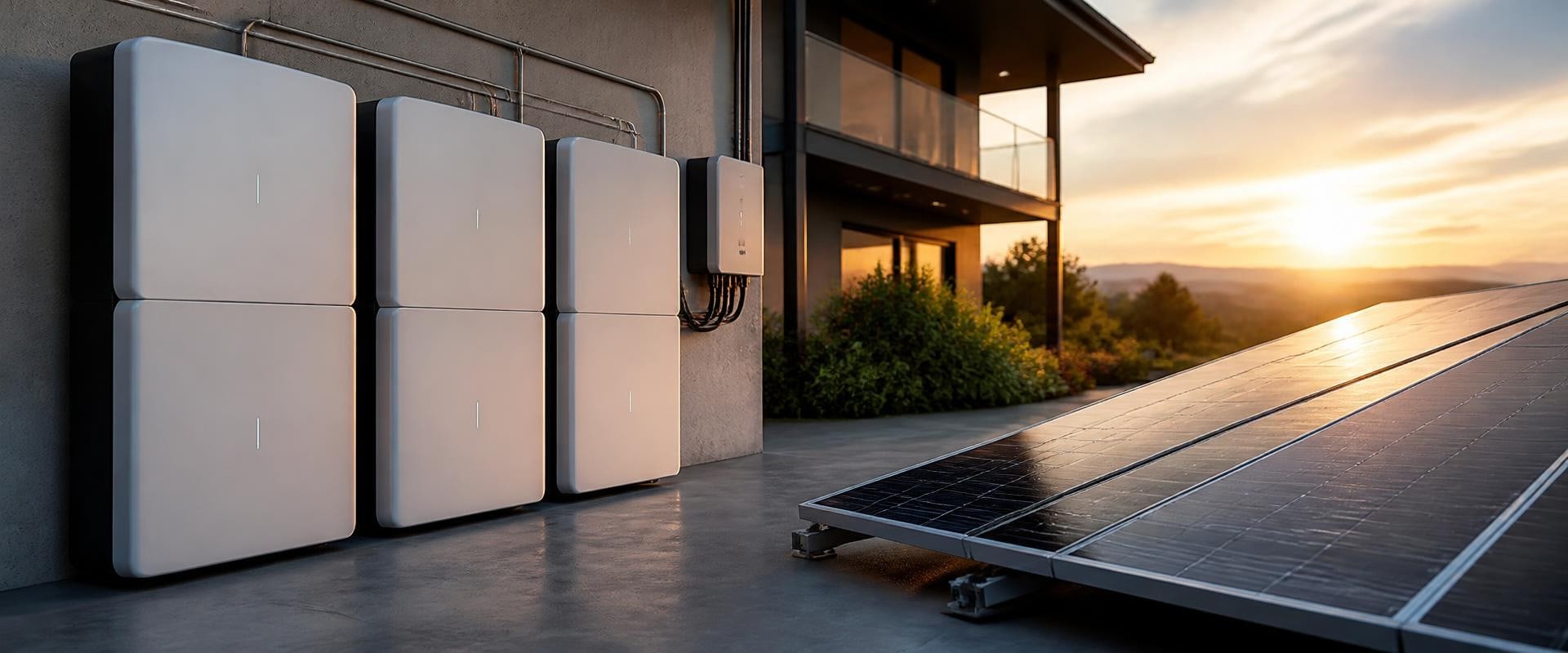
In the ever-evolving landscape of renewable energy, the integration of energy storage solutionsenergy storage solutions has become crucial, especially in the context of solar power. As solar energy continues to gain traction as a primary source of clean electricity, understanding the cost analysis of energy storage solutions is paramount for both consumers and industry stakeholders. The ability to store solar energy for use during non-sunny hours not only enhances energy reliability but also maximizes the efficiency and value of solar installations. The growing demand for sustainable energy sources has prompted significant advancements in energy storage technologies. From lithium-ion batteries to emerging options like flow batteries and compressed air energy storage, each solution presents unique benefits and challenges.
However, with innovation comes the necessity for a thorough examination of costs associated with these technologies. This includes initial investments, maintenance expenses, and overall lifecycle costs, which can significantly impact the feasibility and attractiveness of solar projects. In this article, we will delve into the intricate world of cost analysis pertaining to various energy storage solutions used in conjunction with solar power systems. By exploring both established and cutting-edge technologies, we aim to equip readers with a comprehensive understanding of the financial implications involved in harnessing solar energy effectively. Join us as we navigate through the complexities of cost, efficiency, and sustainability in the realm of energy storage. The importance of energy storage in the solar industry cannot be overstated.
As solar power generation is inherently intermittent—dependent on sunlight availability—effective energy storage solutions play a crucial role in maximizing the utilization of solar energy. This ensures that energy produced during sunny days can be stored and used during periods of low generation, such as nighttime or cloudy weather. Recent advancements in storage technologies have made it imperative for potential solar adopters to understand the costs associated with these solutions. Among the various energy storage solutions available for solar power, lithium-ion batteries are the most widely recognized and utilized. These batteries are favored for their high energy density, efficiency, and decreasing costs over the years.
The average installation cost for a residential lithium-ion battery system ranges from $6,000 to $10,000, depending on capacity and brand. Maintenance costs are generally low, but replacing batteries every 10-15 years can add to lifecycle costs. A real-world example includes Tesla's Powerwall, which has been adopted in thousands of homes, allowing users to store excess solar energy generated during the day for use at night. Another promising technology is flow batteries, which store energy in liquid electrolytes. While they typically have a higher upfront cost than lithium-ion batteries—ranging from $10,000 to $20,000 for installation—they offer longer lifespan and scalability advantages that can make them more economical over time.
Companies like ViZn Energy and Redflow are making strides in this space, showcasing deployments in commercial settings where long-duration storage is beneficial. For instance, a case study in Australia demonstrated significant savings for a business that integrated flow batteries with their solar PV system, effectively reducing peak demand charges.
Pumped hydro storage
is another established method of storing energy, particularly suitable for large-scale applications. This technology involves moving water between two reservoirs at different elevations to generate electricity when needed. While installation costs can be significant—often exceeding $1 million per megawatt—these systems have low operational costs and long lifespans, making them economically viable in the right conditions.An illustrative example is the Bath County Pumped Storage Station in Virginia, which provides a substantial amount of grid stability and supports renewable integration. Addressing common concerns about initial investments versus long-term savings is essential for potential investors. Many consumers might hesitate due to the upfront costs associated with these technologies. However, studies indicate that homeowners can save significantly on energy bills when pairing solar installations with energy storage solutions. For instance, those who invest in battery storage may see payback periods of 5-10 years depending on usage patterns and local electricity rates.
Additionally, many regions offer government incentives and tax credits that can offset these initial costs. For example, the Federal Investment Tax Credit (ITC) allows consumers to deduct a percentage of their solar installation costs from their federal taxes, making energy storage systems more financially accessible. Looking forward, future trends in energy storage technology are likely to further impact costs and accessibility. Innovations such as solid-state batteries promise to enhance safety and efficiency while reducing costs over time. Furthermore, the growing integration of artificial intelligence (AI) in energy management systems is expected to optimize energy usage and storage strategies based on real-time data analytics.
As these technologies mature and become more widespread, we can anticipate a shift towards more affordable and efficient energy storage solutions, solidifying their role within the solar power landscape.
Financial Incentives: Tax Credits and Grants
In the evolving landscape of solar energy, understanding the financial incentives available for solar energy storage solutions is essential for potential adopters. Both federal and state programs have been established to significantly reduce the overall investment needed to implement these systems. Among the most notable is the Investment Tax Credit (ITC), which allows homeowners and businesses to deduct a substantial percentage of their solar energy system costs from their federal taxes. As of 2023, this credit is set at 30%, making it a critical factor in the financial viability of solar projects. In addition to federal incentives, many states offer their own programs that can further enhance savings.For instance, states like California and New York provide various rebates and performance-based incentives that reward users for generating solar power. These state-level initiatives can vary greatly in terms of eligibility and benefit amounts, making it important for potential solar adopters to research local opportunities. Furthermore, some utility companies have launched their own incentive programs aimed at promoting the adoption of energy storage solutions. These programs may include rebates for purchasing energy storage systems or incentives for participating in demand response programs. By leveraging these financial incentives, consumers can significantly lower their initial investment and improve the return on investment (ROI) for solar projects. According to recent studies, these financial incentives can reduce the payback period for solar energy systems by several years, making solar power more accessible and appealing to a broader audience.
As advancements in energy storage technologies continue to emerge, understanding and utilizing these financial incentives will be critical for maximizing savings and enhancing energy independence.
Cost Breakdown: Installation and Maintenance
Cost analysis of energy storage solutions is essential for understanding the financial implications of integrating these systems into solar power setups. When considering the installation of energy storage solutions, several factors contribute to the overall cost, including the type of technology chosen, the capacity of the system, and installation labor. The most common types of energy storage solutions in the solar industry are lithium-ion batteries, lead-acid batteries, and flow batteries. Lithium-ion batteries, while more expensive upfront, offer higher efficiency and longer lifespans compared to lead-acid options. The average cost for residential lithium-ion battery systems can range from $7,000 to $15,000, depending on capacity and brand.In contrast, lead-acid systems are generally cheaper, with costs ranging from $3,000 to $8,000, but they require more frequent replacements due to their shorter lifespan. Installation costs can also vary significantly based on location and system size. For instance, the cost to install a home battery system can add an additional 20% to 30% to the overall expenditure. This includes expenses such as electrical upgrades and permitting fees. Furthermore, professional installation is crucial for ensuring safety and system efficiency. Maintenance costs should also be factored into the overall budget for energy storage systems.
While many modern systems are designed to be low-maintenance, periodic checks and potential replacements of components are necessary. Annual maintenance costs typically range from $100 to $300 per year for residential systems, depending on the technology employed and usage patterns. In summary, conducting a thorough cost analysis of energy storage solutions involves evaluating not just the initial purchase price but also installation and ongoing maintenance costs. Understanding these financial aspects is vital for solar adopters aiming to maximize their investment in renewable energy.
Future Trends in Energy Storage Technology
As the demand for renewable energy sources like solar power continues to grow, the future trends in energy storage technology are becoming increasingly critical. One of the most promising advancements is the development of solid-state batteries.Unlike traditional lithium-ion batteries, solid-state batteries utilize a solid electrolyte, which enhances safety and increases energy density. This could potentially lead to lower costs and improved efficiency in energy storage solutions. Another innovative technology on the horizon is flow batteries, which offer unique advantages for large-scale energy storage. Flow batteries operate by storing energy in liquid electrolytes, allowing for scalable and flexible deployment. They can be charged and discharged simultaneously, making them ideal for stabilizing solar power generation during peak demand periods. Moreover, advancements in lithium-sulfur batteries are showing promise as a cost-effective alternative to conventional lithium-ion systems.
With higher energy capacities and lower material costs, these batteries could significantly reduce the overall expenses associated with energy storage, making solar adoption more economically feasible for homeowners and businesses alike. The integration of artificial intelligence (AI) in managing energy storage systems is also set to revolutionize the industry. AI can optimize charging and discharging cycles based on real-time data, improving overall efficiency and reducing operational costs. This could lead to smarter grid solutions that seamlessly incorporate solar energy into existing infrastructure. Lastly, we cannot overlook the potential of recycled materials in battery production. As environmental concerns continue to rise, developing energy storage solutions that utilize recycled materials not only addresses sustainability but also has the potential to lower costs associated with raw material procurement. In summary, as these emerging technologies evolve, they hold the promise of enhancing both the cost-effectiveness and efficiency of energy storage solutions in the solar power sector, paving the way for broader adoption of renewable energy sources.
Long-Term Savings vs.
Initial InvestmentInvesting in energy storage solutions for solar power systems involves a careful consideration of both initial costs and the long-term savings potential. While the upfront investment can be substantial, it is essential to understand how these costs can translate into significant financial benefits over time. One of the primary advantages of incorporating energy storage is the ability to maximize the use of solar energy generated during peak sunlight hours. Without energy storage, excess solar energy produced during the day may go to waste if not used immediately. By investing in a storage system, homeowners and businesses can store this surplus energy for use during non-sunny hours, effectively reducing reliance on grid electricity and lowering electricity bills. Moreover, energy storage solutions can provide additional savings through demand charge management.
For commercial users, peak demand charges can significantly inflate electricity bills. By utilizing stored energy during peak demand periods, businesses can avoid these costly charges, resulting in substantial savings over time. Recent studies have indicated that with the decreasing prices of batteries and advancements in storage technology, the return on investment (ROI) for energy storage systems is becoming increasingly favorable. For instance, a report by the International Renewable Energy Agency (IRENA) found that the cost of lithium-ion batteries has fallen by nearly 90% since 2010, making them more accessible and economically viable for consumers. In conclusion, while the initial investment in energy storage solutions may seem daunting, the potential long-term savings—through reduced energy bills, avoidance of peak demand charges, and increased energy independence—can outweigh these upfront costs significantly. As technology continues to advance and prices continue to decline, understanding the cost-benefit dynamics of energy storage becomes crucial for anyone looking to adopt solar energy solutions.
Understanding Different Types of Energy Storage Solutions
Energy storage solutions play a critical role in enhancing the efficiency and reliability of solar power systems.By storing excess energy generated during peak sunlight hours, these systems ensure that solar power can be utilized even when sunlight is not available. In this section, we will explore the main types of energy storage solutions, detailing how each functions and their respective cost structures.
1.Lithium-Ion Batteries
: Currently the most popular choice for energy storage in solar applications, lithium-ion batteries are known for their high energy density, efficiency, and longevity. They work by allowing lithium ions to move between the anode and cathode during charging and discharging processes. The cost of lithium-ion battery systems has decreased significantly over the years, with average prices dropping from around $1,000 per kilowatt-hour (kWh) in 2010 to approximately $150 per kWh in 2023. This reduction has made them a more viable option for residential and commercial solar power users.2.Lead-Acid Batteries
: A traditional option for energy storage, lead-acid batteries have been used for decades due to their low initial cost and proven technology.They function through a chemical reaction between lead dioxide and sponge lead in an electrolyte solution. However, their lifespan is shorter compared to lithium-ion batteries, typically lasting around 3-5 years. The cost for lead-acid batteries ranges from $100 to $300 per kWh, making them less economical over the long term despite lower upfront costs.
3.Flow Batteries
: Flow batteries represent a unique approach to energy storage by using liquid electrolytes that flow through electrochemical cells. This design allows for easy scalability and longer cycle life, making them suitable for large-scale applications.While flow batteries tend to have higher initial costs—averaging around $500 per kWh—they can offer longer lifetimes and more flexible energy storage options, which can be economically beneficial in the long run.
4.Compressed Air Energy Storage (CAES)
: In CAES systems, excess electricity is used to compress air in underground caverns or tanks during low-demand periods. When energy is needed, the compressed air is released to drive turbines that generate electricity. Although CAES systems can store large amounts of energy, they require significant infrastructure investments, with costs typically ranging from $200 to $300 per kWh, depending on the scale and technology used.5.Pumped Hydro Storage
: As one of the oldest forms of energy storage, pumped hydro storage utilizes two water reservoirs at different elevations. During periods of excess solar generation, water is pumped uphill; when demand peaks, the water is released back down to generate electricity.While this method is highly efficient and capable of storing vast amounts of energy, its high capital costs (often exceeding $1,000 per kWh) and geographical limitations can restrict its implementation. In summary, understanding the different types of energy storage solutions available is essential for solar power adopters. Each technology has its unique operational characteristics and cost structures, influencing their suitability for various applications within the solar industry. In conclusion, this article has provided a comprehensive overview of the cost analysis of energy storage solutions in the solar power sector. We have explored various types of storage technologies and dissected their installation and maintenance costs, emphasizing that understanding these financial aspects is crucial for potential solar adopters. Furthermore, we discussed the significance of financial incentives, such as tax credits and grants, which can significantly reduce the initial investment burden. Importantly, we highlighted the necessity of considering both short-term costs and long-term benefits when evaluating these technologies.
Energy storage not only enhances the efficiency of solar energy utilization but also provides a reliable solution to intermittency issues, ultimately leading to substantial savings over time. As advancements in energy storage technology continue to evolve, staying informed about current trends and financial opportunities will empower readers to make well-informed decisions regarding their solar investments.